![{[setting('site_name')]}](https://projxnews.com/uploads/setting/16983847711140531930.webp)


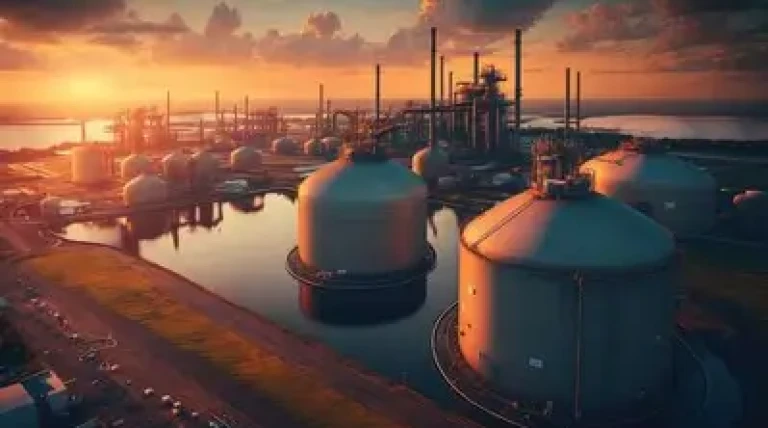
The government is preparing to significantly expand India’s refining capacity, which is projected to increase from 258.1 million tonne per annum (MTPA) to 309.5 MTPA by 2030.
At the same time, the Petrochemical Intensity Index (PII) of public sector refineries is expected to rise from 4.1 to 9.3, supported by ongoing and upcoming petrochemical projects. To drive the transition toward cleaner energy, the government has introduced several initiatives promoting sustainable fuels such as biofuels, green hydrogen, and LNG. Key efforts include achieving 20% ethanol blending under the Ethanol Blending Programme, advancing sustainable aviation fuel (SAF) through the PM JI-VAN Yojana, and scaling up compressed biogas (CBG) production under the SATAT scheme.
In addition, the National Green Hydrogen Mission targets the production of 5 MTPA of green hydrogen by 2030. These clean fuel initiatives will play a vital role in reducing emissions across sectors like transportation, steel, and cement, supporting India’s shift toward a low-carbon economy aligned with global climate commitments.
News by Rahul Yelligetti.