![{[setting('site_name')]}](https://projxnews.com/uploads/setting/16983847711140531930.webp)

The Greater Chennai Corporation (GCC) has unveiled plans to expand its composting infrastructure to improve solid waste management and enhance scientific processing of biodegradable waste across the city.
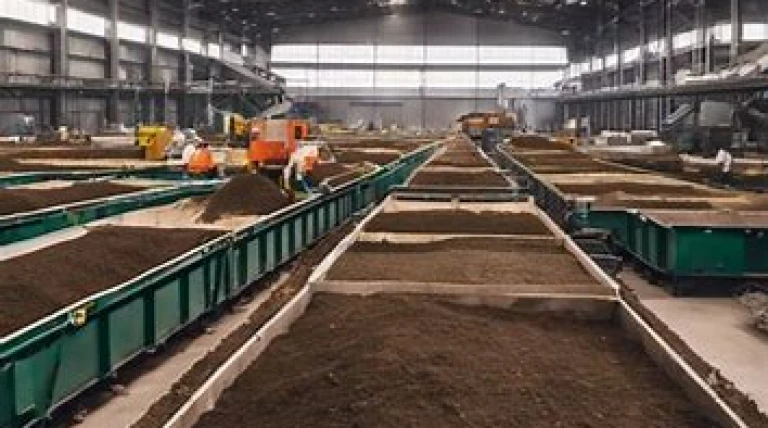
A key project includes the development of a 1,000-tonne windrow composting facility on 20 acres of biomined land at the Perungudi dump yard through a public-private partnership. This facility will primarily serve the southern regions of Chennai, where organic waste generation has been steadily increasing.
Additionally, GCC will establish two decentralised composting plants in Manali, each with a processing capacity of 50 tonnes per day. The combined cost of these projects is estimated at ₹15 crore.
Officials noted that these initiatives will ease the pressure on existing landfills by enabling efficient segregation and processing of wet waste at multiple locations. The Perungudi facility will adopt the windrow composting method, where organic waste is arranged in rows and decomposed under controlled aeration conditions. The resulting compost can be used for horticulture, landscaping, and agriculture, supporting a circular waste management approach.
The Manali plants are part of GCC’s broader push towards decentralised waste processing, reducing reliance on large landfill sites. Chennai currently generates over 6,000 tonnes of solid waste daily, a significant portion of which is biodegradable.
By increasing local composting capacity, the corporation aims to improve collection efficiency, cut transportation costs, and reduce environmental impact. These projects also focus on modernising waste management systems and boosting resource recovery.
Environmental experts have welcomed the initiative, highlighting that decentralised composting is crucial for rapidly growing cities. They note that such facilities help divert organic waste from landfills, reduce methane emissions, and extend the lifespan of dumping sites.
News by Rahul Yelligetti.